AnaVu: Anatomy Visualization
Tool
Why AnaVu?
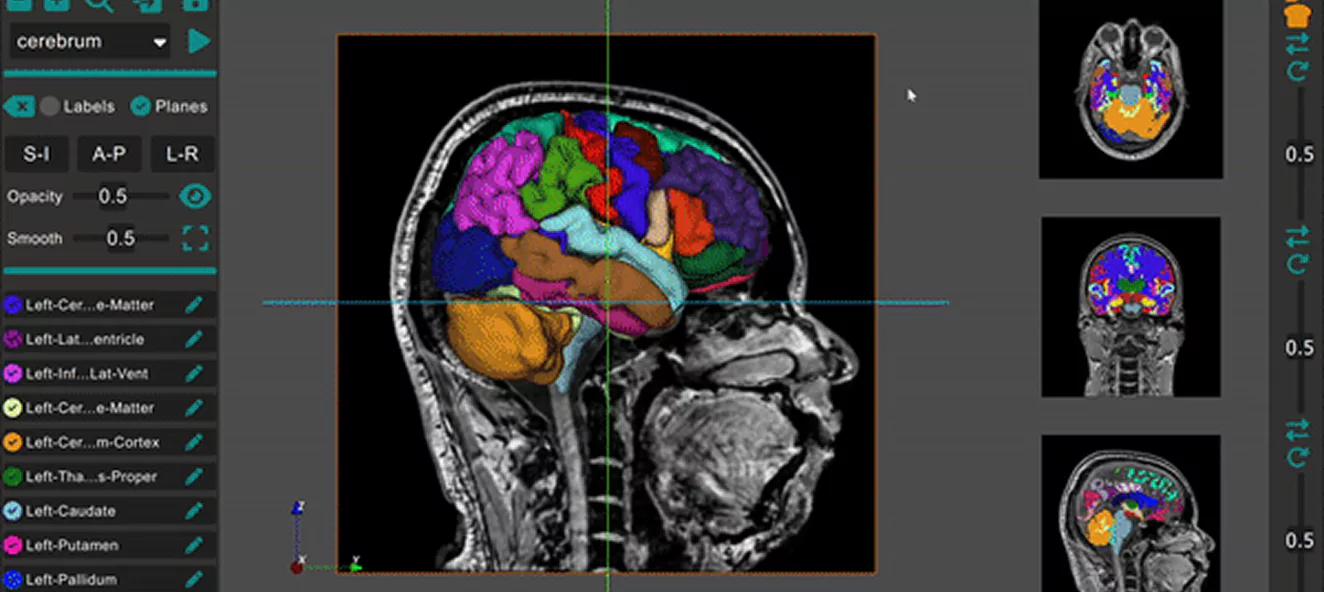
AnaVu is a 3D anatomical visualization platform designed to transform the way anatomy is taught and understood. Built with direct input from educators, it addresses critical limitations such as the unavailability of cadavers and the shortcomings of static 2D textbook images. AnaVu enables visualization of complex, hard-to-access anatomical structures like vascular trees and fiber tracts with high accuracy.
Technological Innovation
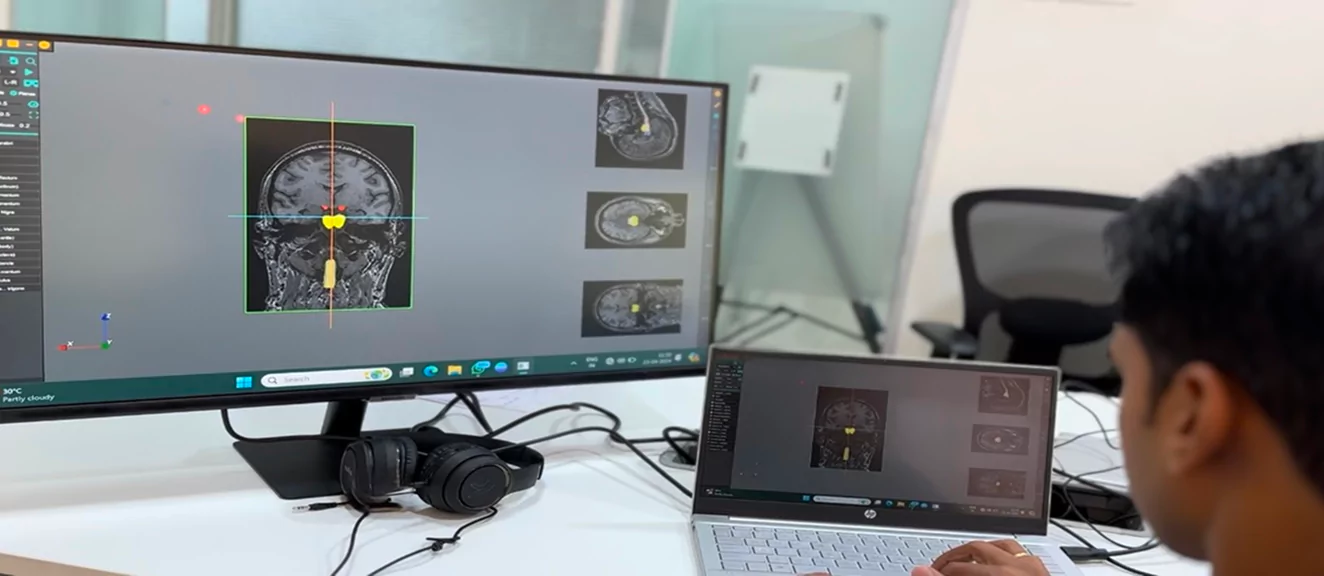
AnaVu uses real-world MRI and CT scan data to generate accurate and detailed 3D anatomical models. These models are rendered in an IP-protected format, making it possible to deliver high-quality 3D experiences without the need for high-end computing hardware. The tool supports various multimedia formats, including animations (e.g., fluid flow), videos, and static images, offering a rich and engaging learning environment. This combination of medical imaging and interactive media creates an advanced yet accessible tool for anatomy education.
Socio-economic Impact
AnaVu has already made a significant impact in academic settings, with over 200 anatomy faculty members and students using or aware of the tool. By offering immersive visualization, AnaVu helps train a more skilled healthcare workforce and improves the learning experience for students. The platform supports better retention and understanding of anatomical concepts, thereby contributing to enhanced patient care in the long term. It also empowers educators by integrating cutting-edge technology into their teaching methods, making medical education more engaging and effective.
Key Features
AnaVu is designed for low-cost, scalable deployment, making it suitable for use in a wide range of educational institutions. It supports stereoscopic 3D visualization, enabling an immersive learning experience that goes beyond flat screens. Additionally, AnaVu integrates seamlessly with PowerPoint, allowing educators to embed 3D content directly into their teaching slides. This feature ensures that instructors can adopt the tool without disrupting their existing workflows, making it both powerful and easy to use.
Roadmap for Adoption
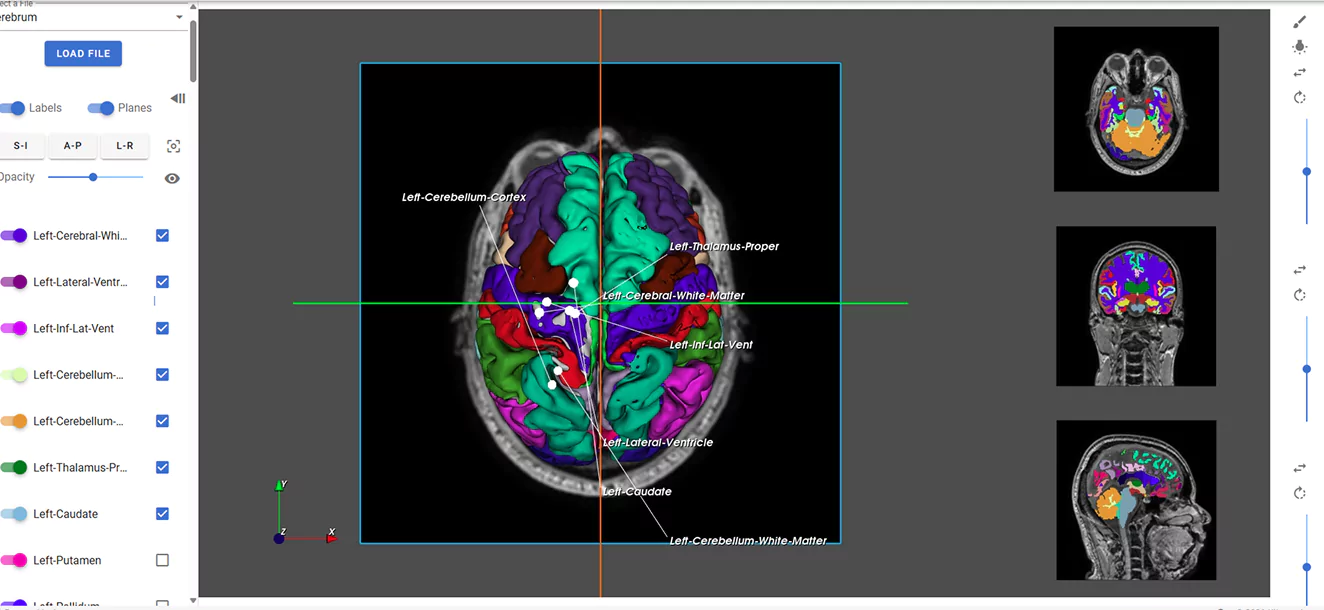
The current focus is on integrating AnaVu into educational settings, with future plans to expand into clinical healthcare. AnaVu was originally developed as a desktop version and it has now been extended to a web-based platform, which would allow broader access and easier deployment subject to funding. AnaVu will also evolve into a content creation platform, enabling educators to build and share their own anatomical modules. Future updates will include anatomical systems beyond neuro, such as gastrointestinal structures, and tools for clinicians to view patient-specific MRI or CT data in real time, further bridging the gap between education and practical healthcare.